Benefits of Open-Ended Play for Kids
Open-ended play is a type of play that has no single correct outcome, set of instructions, or predetermined goal. Children decide how to use the materials, create their own rules, and explore their ideas freely.
How Creative Play Helps Children Learn, Grow, and Thrive
Children are naturally curious. Give them a few cushions, a blanket, or a cardboard box, and they'll quickly transform them into castles, rocket ships, or cozy reading nooks. This kind of imaginative exploration is called open-ended play—play without fixed rules or a single "right" way to play.
Unlike electronic toys or activities with step-by-step instructions, open-ended play encourages children to create, experiment, and solve problems on their own. Every play session is different, helping kids build valuable life skills while having fun.
Whether it's climbing, building, drawing, pretending, or inventing stories, open-ended play supports healthy development from toddlerhood through the early school years. Let's explore why it's so important and how you can create a play space that inspires endless creativity.

What Is Open-Ended Play?
Open-ended play allows children to decide how they want to play rather than following predetermined instructions. There is no final goal or correct outcome—only endless possibilities.
For example, a child may:
- Build a castle one day and a pirate ship the next.
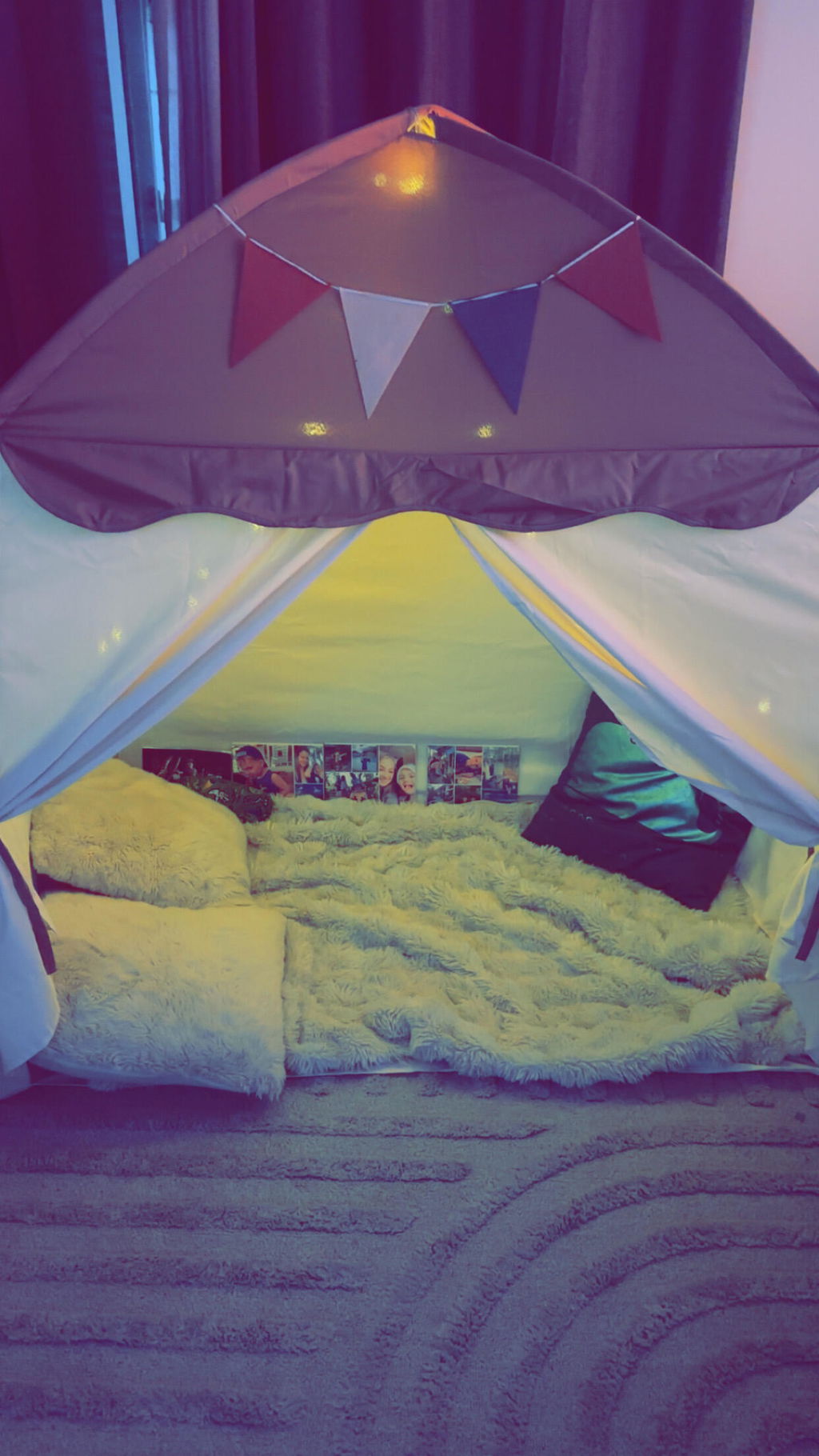
- Turn a play tent into a campsite, café, or secret hideout.
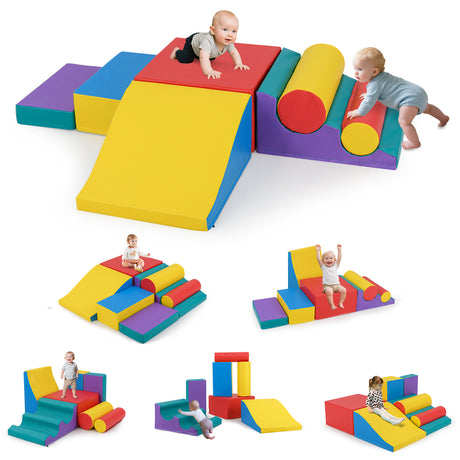
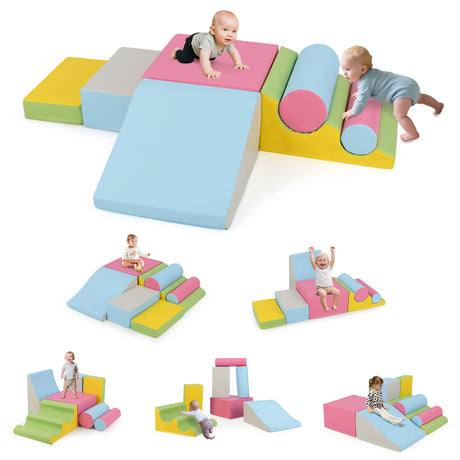
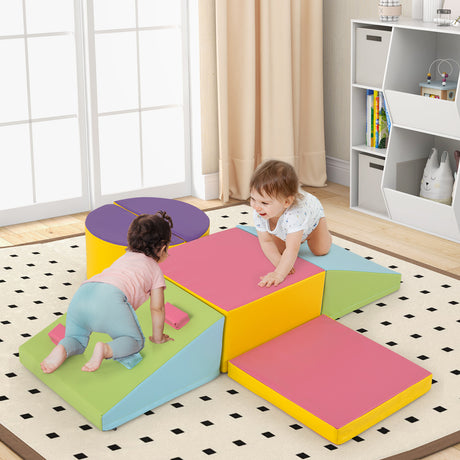
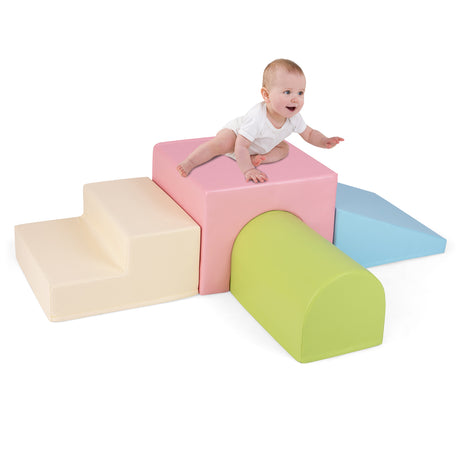
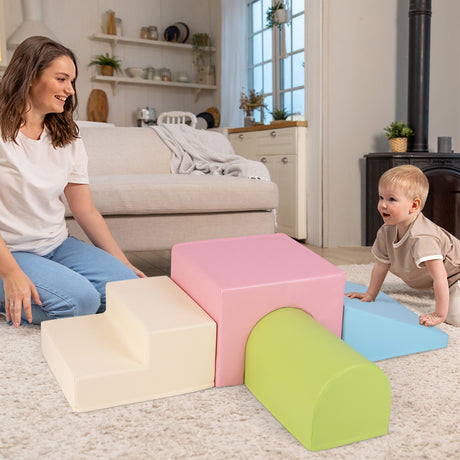
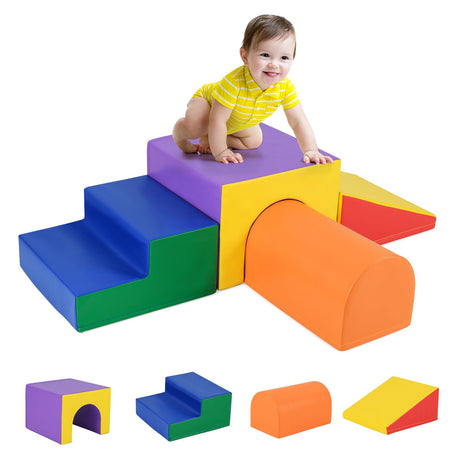
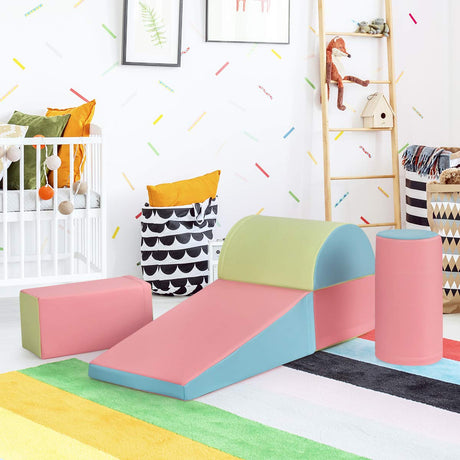
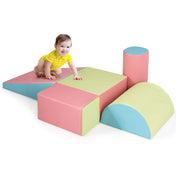
- Rearrange soft play blocks into an obstacle course.
- Create artwork inspired by their latest imaginary adventure.
Because children are in control, they learn to think independently and use their imagination freely.
How to Encourage Open-Ended Play?
1. Encourages Creativity and Imagination
One of the greatest benefits of open-ended play is that it gives children the freedom to imagine anything they want.
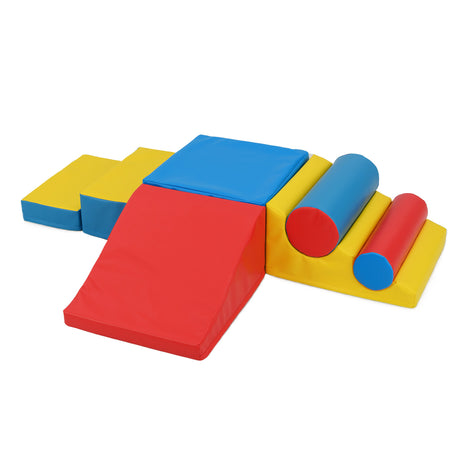
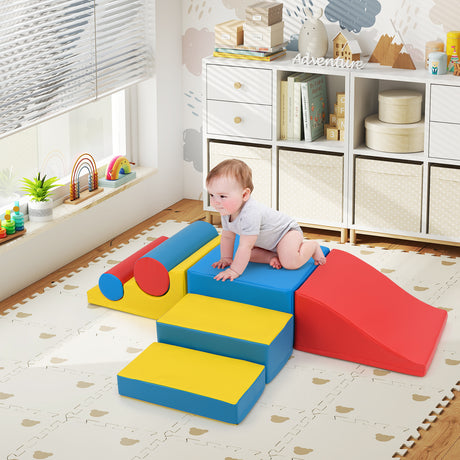
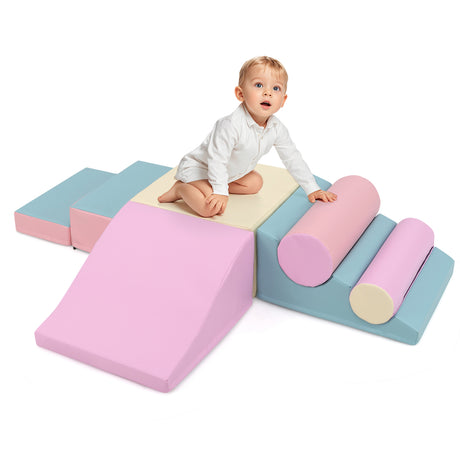
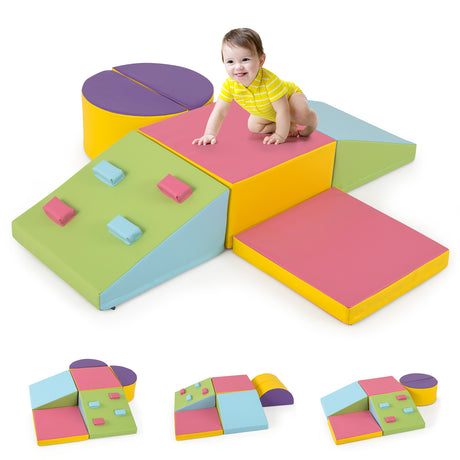
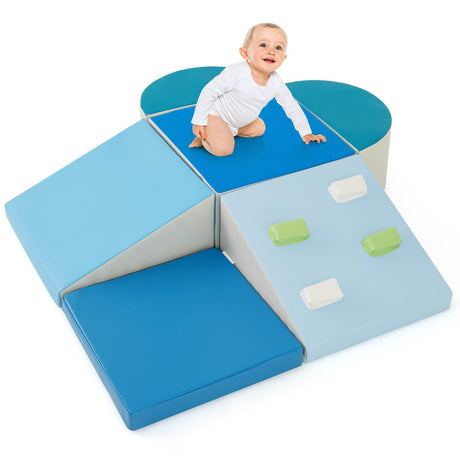
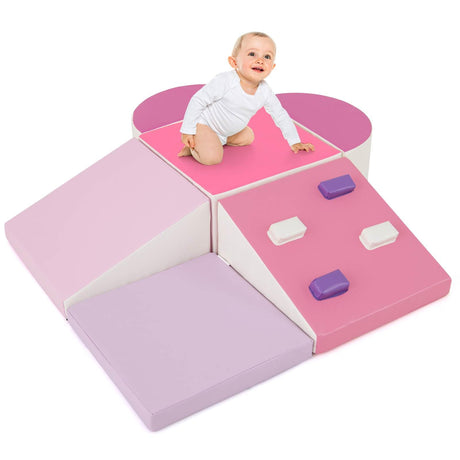
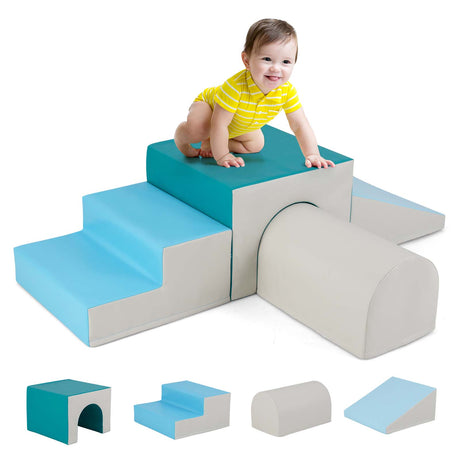
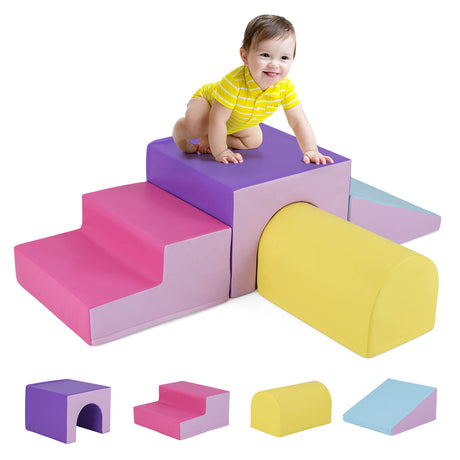
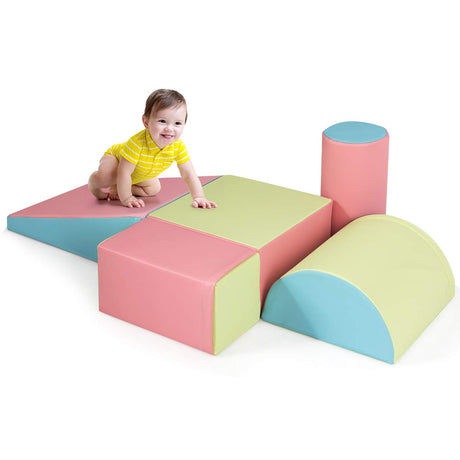
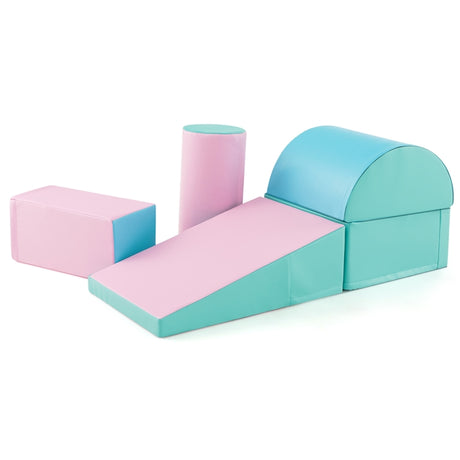
A simple soft play set can become stepping stones across a lava river, a mountain to climb, or a cozy fort. A tent might transform into a magical kingdom, a doctor's office, or a spaceship heading to the moon.
Without fixed rules, children invent stories, assign roles, and create entire worlds. This type of imaginative thinking lays the foundation for creativity that can benefit them throughout life.
2. Develops Problem-Solving Skills
Open-ended play naturally introduces challenges for children to solve.
Questions they might ask include:
- How can I build a taller tower?
- Which blocks make the strongest bridge?
- How can I create an obstacle course that doesn't fall apart?
Products like Giant 4 encourage children to experiment with different shapes and structures. Every successful build—and every collapsed one—helps them develop critical thinking, persistence, and resilience.
Instead of giving up, children learn that trying new ideas often leads to better solutions.

3. Supports Gross Motor Development
Young children learn best through movement.
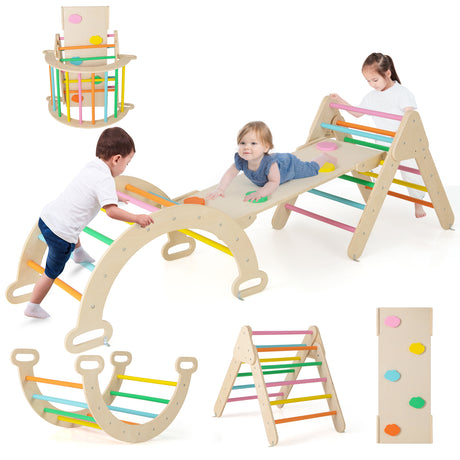
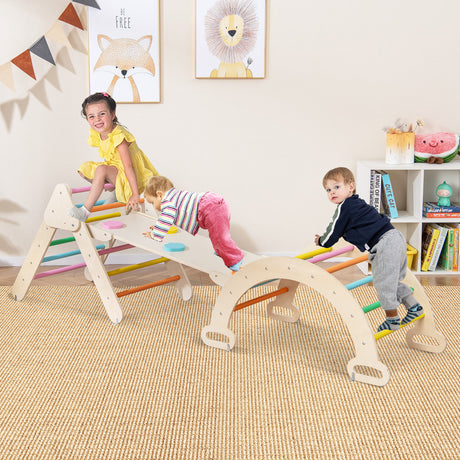
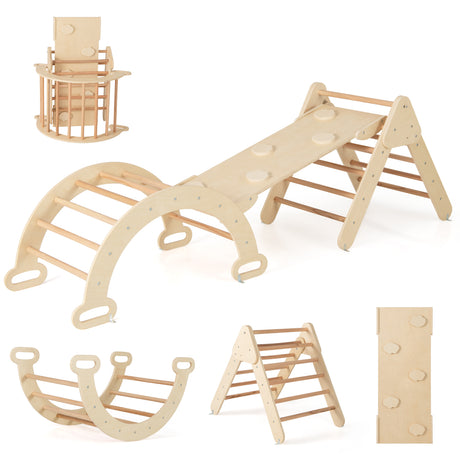
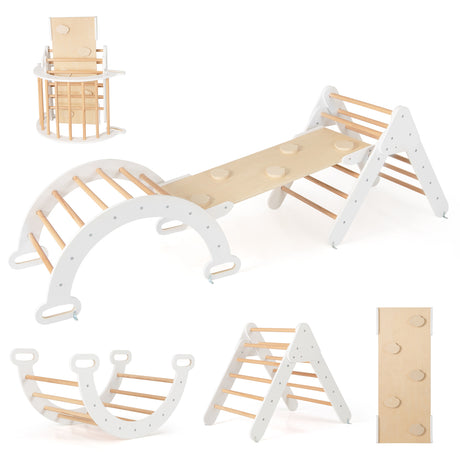
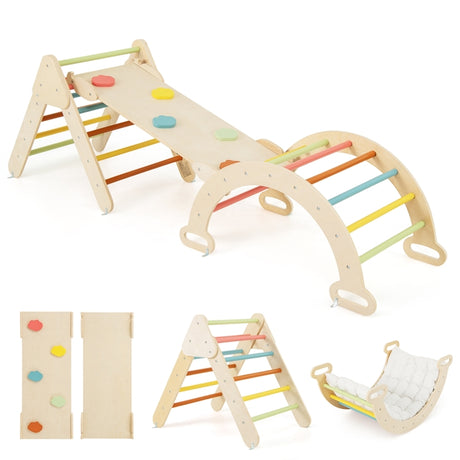
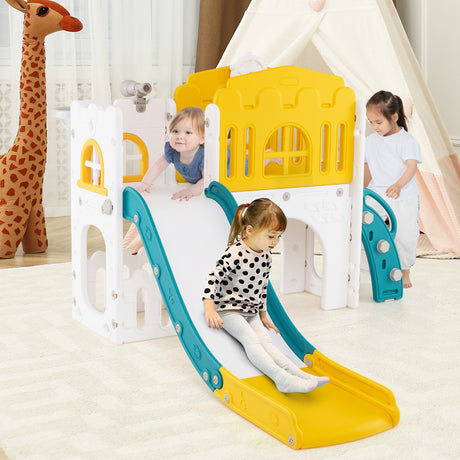
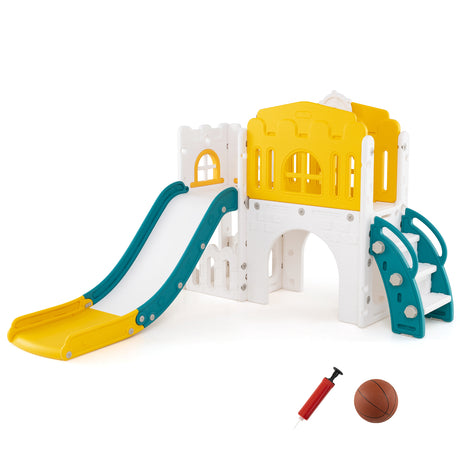
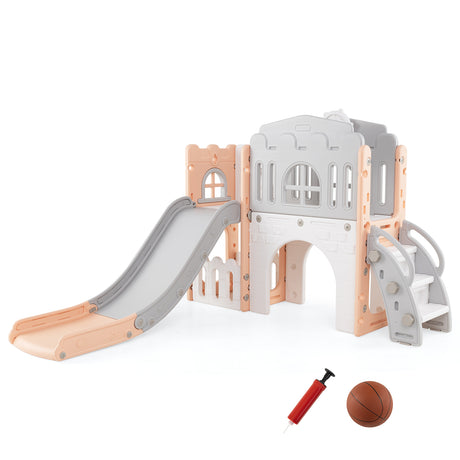
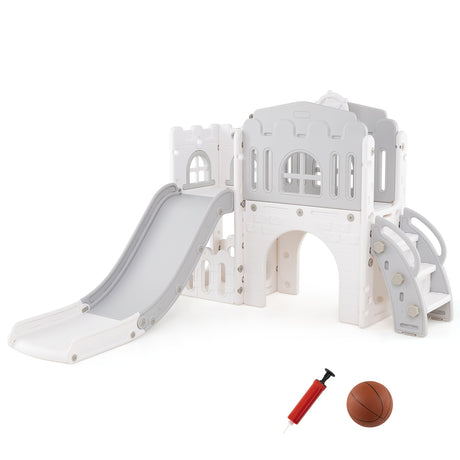
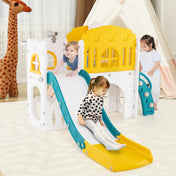
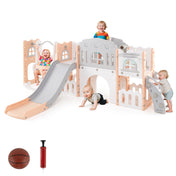
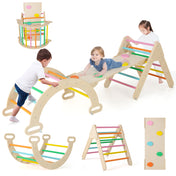
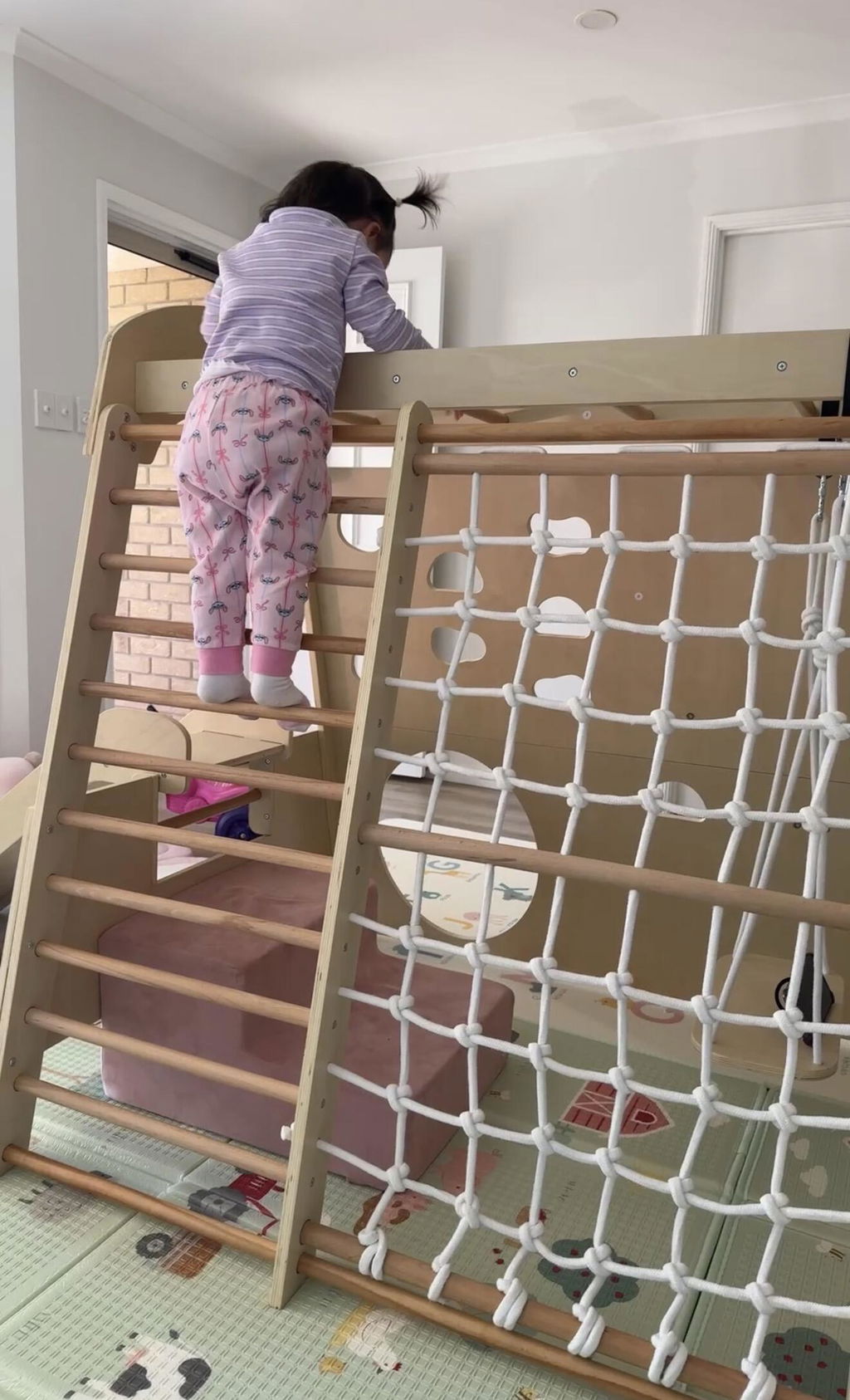
Activities involving climbing toys & slide encourage kids to:
- Climb
- Crawl
- Balance
- Slide
- Jump safely
- Strengthen muscles
These movements improve:
- Gross motor skills
- Coordination
- Core strength
- Balance
- Body awareness
Physical play also helps children burn energy while building confidence in their growing abilities.
4. Strengthens Social and Communication Skills
Open-ended play becomes even more meaningful when children play together.
Whether siblings are building a fort or friends are creating a pretend café, they learn to:
- Share ideas
- Take turns
- Solve disagreements
- Work as a team
- Express their thoughts clearly
A tent can become a shared reading corner, while a **soft play** obstacle course encourages cooperative challenges and imaginative role-playing.
These everyday interactions help children develop empathy, communication, and teamwork.

5. Builds Confidence and Independence
There is no "wrong answer" during open-ended play.
Children choose what to build, how to decorate it, and how long to play. Every decision they make helps build confidence.
When a child successfully designs a climbing course using **soft play** pieces or creates a unique structure with Giant 4, they experience the satisfaction of solving problems independently.
Small successes like these encourage children to believe in their own abilities and become more willing to try new challenges.
6. Inspires Creativity Beyond Play
Open-ended play doesn't stop with building and climbing—it also encourages artistic expression.
An Art Easel gives children the opportunity to:
- Draw their own stories
- Paint favorite animals
- Practice letters and numbers
- Sketch ideas before building them
- Express emotions through art
After spending time climbing, building, or pretending, children often enjoy bringing their adventures to life through drawing and painting.
Combining active play with creative activities supports whole-child development by encouraging both physical movement and self-expression.
7. Reduces Screen Time Naturally
One of the biggest challenges many parents face is balancing screen time with active play.
Open-ended play offers a fun alternative that keeps children engaged without relying on tablets or televisions.
Imagine a play area that includes:
- A soft play climbing course
- Climbing toys & slide
- A cozy tent
- Building pieces like Giant 4
- An Art Easel for creative projects
With so many possibilities, children can easily spend hours inventing new games and adventures—all while staying active and engaged.

8. Grows with Your Child
Unlike many toys that are quickly outgrown, open-ended play products evolve as children develop.
For toddlers:
- Climb soft blocks
- Practice balance
- Explore textures
For preschoolers:
- Build forts
- Create obstacle courses
- Pretend play
For older children:
- Design complex structures with Giant 4
- Invent imaginative games inside a tent
- Create artwork inspired by their adventures
- Challenge themselves with more advanced climbing activities
Because children continue finding new ways to use these products, they provide lasting value for growing families.
Create an Inspiring Open-Ended Play Space
Designing a play space doesn't require a large room—it simply requires versatile toys that encourage creativity.
A well-rounded play area might include:
Soft Play
Perfect for climbing, stacking, crawling, balancing, and imaginative building.
Climbing Toys & Slide
Encourages active movement while helping children develop strength, coordination, and confidence.
Tent
Creates a cozy retreat for reading, pretend play, storytelling, or quiet time.
Giant 4
Offers endless building possibilities that inspire creativity, engineering skills, and collaborative play.
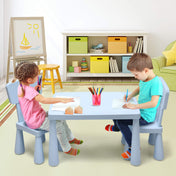
Art Easel
Supports drawing, painting, writing, and creative expression while complementing imaginative play.
Together, these versatile play essentials create a space where children can explore, learn, and grow every day.

Tips for Encouraging Open-Ended Play at Home
- Let children lead the play instead of giving detailed instructions.
- Create a safe space where they can move freely.
- Combine active play with creative activities like drawing or painting.
- Rotate toys occasionally to keep play fresh and exciting.
- Celebrate creativity rather than focusing on perfection.
- Join the fun sometimes, but allow children plenty of opportunities for independent exploration.
Frequently Asked Questions
What is open-ended play?
Open-ended play is play without fixed rules or outcomes, allowing children to use their imagination, creativity, and problem-solving skills in their own unique way.
Why is open-ended play important?
It supports cognitive, physical, social, emotional, and creative development while encouraging confidence and independent thinking.
What toys encourage open-ended play?
Versatile toys work best, including soft play, climbing toys & slide, tents, building sets like Giant 4, and an Art Easel for creative expression.
How can I create an open-ended play space at home?
Choose flexible toys that can be used in many different ways, leave enough room for movement, and encourage your child to explore without strict rules or expectations.
Conclusion
Open-ended play gives children the freedom to imagine, create, move, and learn at their own pace. From climbing and building to drawing and storytelling, every activity helps develop important life skills that extend far beyond playtime.
By creating a play space with versatile essentials like soft play, climbing toys & slide, a tent, Giant 4, and an Art Easel, parents can inspire endless adventures while supporting creativity, confidence, physical development, and a lifelong love of learning.